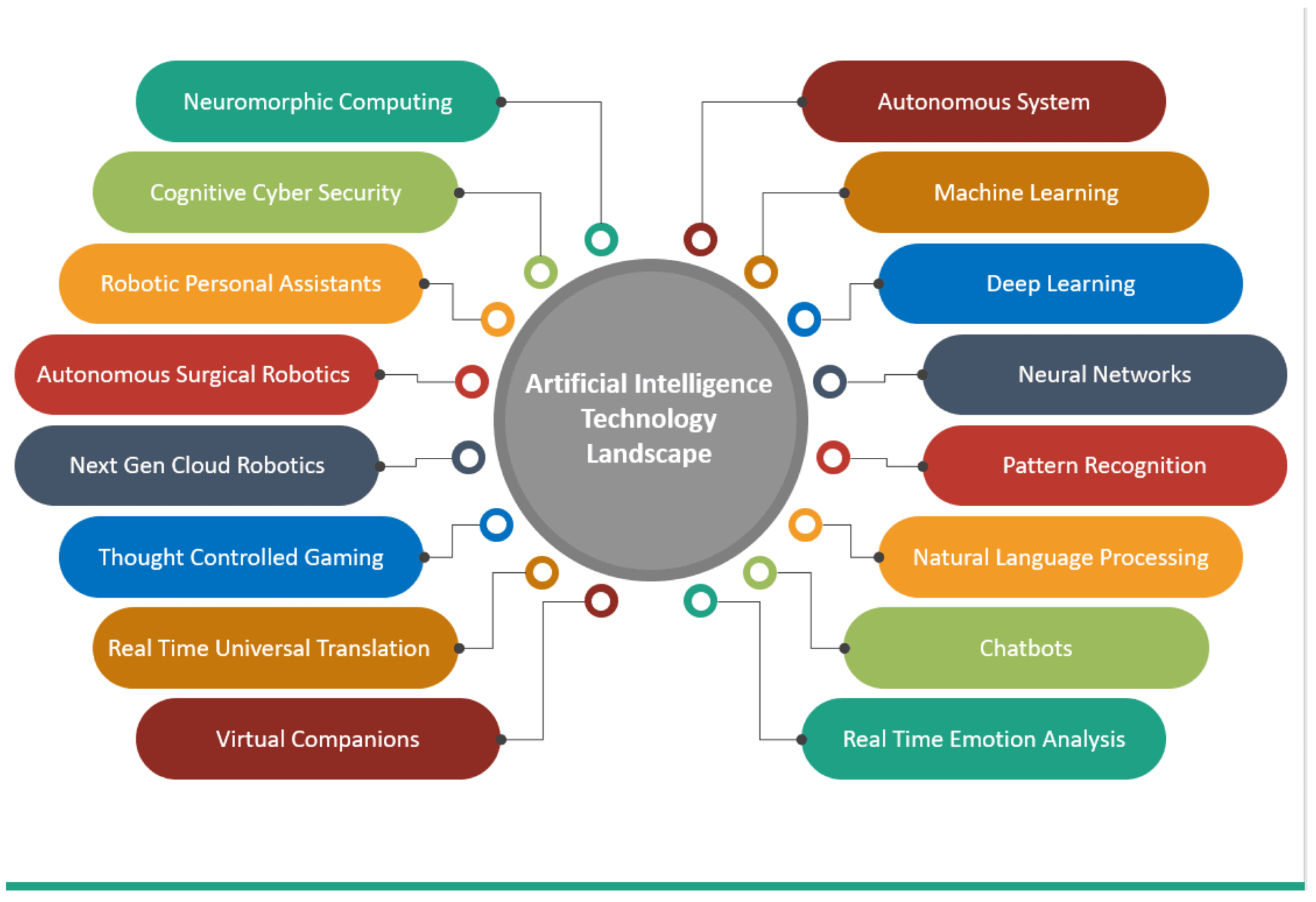

Artificial intelligence (AI) has become a pivotal force in the evolution of modern businesses. From streamlining operations to enhancing customer experiences, AI is reshaping how companies operate and compete in the global market. This article explores the multifaceted impact of AI on businesses today, highlighting its benefits, challenges, and future potential.
Enhancing Efficiency and Productivity
AI’s ability to automate routine and repetitive tasks is revolutionizing efficiency and productivity across various industries. Businesses are increasingly leveraging AI-powered tools to handle data entry, invoice processing, and customer inquiries, freeing up human resources for more strategic tasks.
For example, robotic process automation (RPA) utilizes AI to perform repetitive tasks quickly and accurately, reducing human error and operational costs. AI-driven data analysis tools provide real-time insights, enabling businesses to make informed decisions rapidly. This not only enhances productivity but also fosters a more agile and responsive business environment.
Improving Customer Experience
Customer experience is a critical differentiator in today’s competitive market, and AI is playing a central role in enhancing it. AI-powered chatbots and virtual assistants offer 24/7 customer support, providing instant responses and resolving issues efficiently.
Furthermore, AI algorithms analyze customer data to deliver personalized experiences. E-commerce platforms like Amazon use AI to recommend products based on individual browsing and purchase histories, increasing customer engagement and satisfaction. This level of personalization fosters loyalty and drives sales, demonstrating AI’s significant impact on customer relations.
Driving Innovation
AI is a catalyst for innovation, pushing the boundaries of what businesses can achieve. In product development, AI helps companies understand market trends and consumer preferences, leading to the creation of products that better meet customer needs. For instance, AI-driven design tools can simulate and optimize product designs, speeding up the development process and reducing costs.
In manufacturing, predictive maintenance powered by AI reduces equipment downtime by predicting failures before they occur. This proactive approach to maintenance not only saves money but also extends the lifespan of machinery.
Industries such as healthcare, finance, and transportation are also benefiting from AI-driven innovations. AI diagnostic tools assist doctors in early disease detection, AI algorithms enhance financial fraud detection, and autonomous vehicles are set to transform the transportation sector.
Challenges and Considerations
While AI offers numerous benefits, its implementation is not without challenges. Data privacy and security are major concerns, as AI systems often require access to large volumes of sensitive information. Businesses must implement robust security measures to protect data and maintain customer trust.
Additionally, the adoption of AI necessitates a skilled workforce capable of developing, managing, and maintaining AI systems. This requires significant investment in training and education to bridge the skills gap.
Ethical considerations also play a crucial role in AI adoption. Issues such as algorithmic bias and the potential impact of automation on employment must be addressed to ensure responsible and fair use of AI technologies.
Conclusion
Artificial intelligence is undeniably transforming the business landscape. Its ability to enhance efficiency, improve customer experiences, and drive innovation makes it an invaluable asset for modern businesses. However, to fully leverage AI’s potential, companies must navigate the associated challenges thoughtfully and strategically. By embracing AI and addressing its challenges, businesses can achieve long-term success and maintain a competitive edge in the evolving market.